Los Angeles Voters Signal Growing Frustration as Questions Surround Mayor Karen Bass’ Political Future
- Jun 2
- 3 min read
02 June 2026
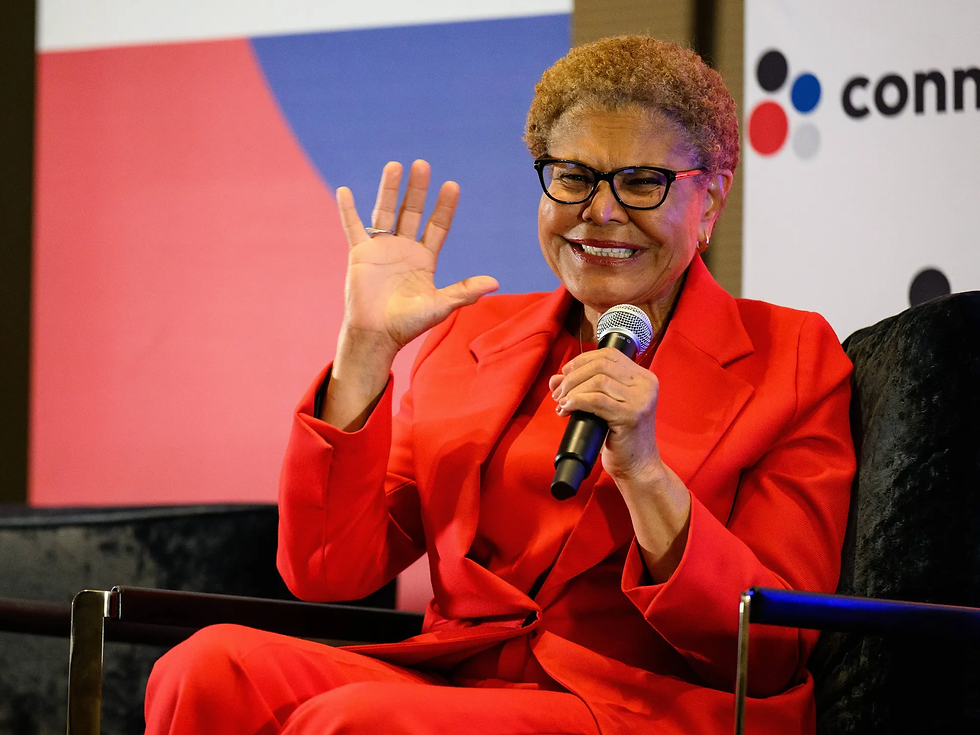
Political conversations across Los Angeles are becoming increasingly intense as residents reflect on the city's leadership and consider who they would support in the next mayoral race. Recent discussions with voters suggest that Mayor Karen Bass may be facing a more difficult political environment than many observers anticipated, highlighting growing concerns about some of the city's most pressing challenges.
Los Angeles has long been a city shaped by complex issues that test even the most experienced political leaders. Housing affordability, homelessness, public safety, transportation, economic development, and quality of life concerns consistently rank among the topics residents care about most. As voters evaluate local leadership, many of these issues have become central to their opinions about the city's direction.
Conversations with residents from different neighborhoods reveal a city that remains deeply engaged in debates about governance and public policy. While some voters continue expressing support for Bass and her administration, others have become increasingly critical, arguing that progress has not come quickly enough on issues they view as urgent.
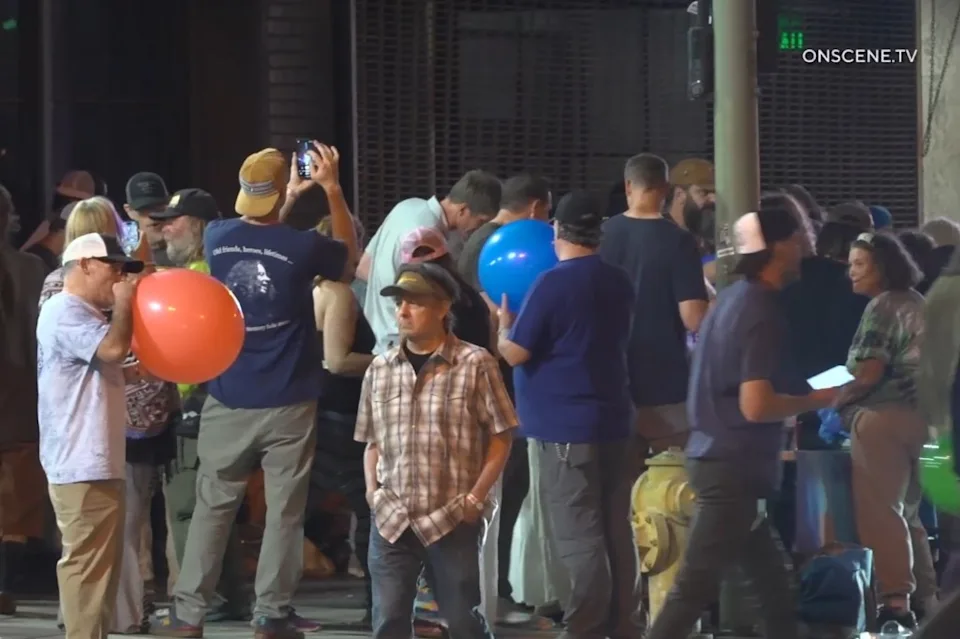
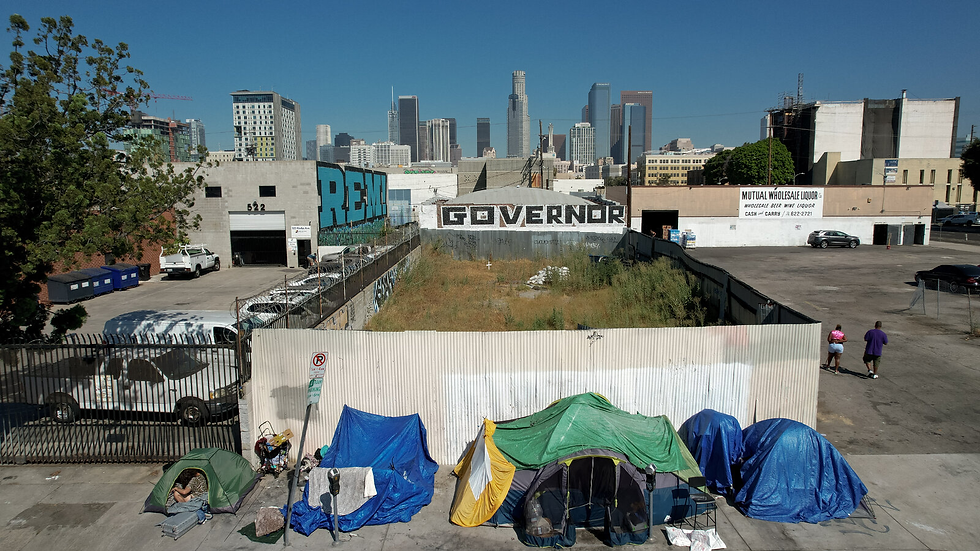
One of the most frequently mentioned concerns involves homelessness. Los Angeles continues to grapple with one of the largest homeless populations in the United States, making the issue highly visible across many communities. Residents regularly encounter the effects of the crisis, leading many voters to view it as a key measure of political leadership.
Public safety has also emerged as a significant topic in voter discussions. Although opinions differ regarding solutions, many residents emphasize the importance of maintaining safe neighborhoods, supporting effective law enforcement strategies, and addressing crime-related concerns. The issue continues to influence political conversations throughout the city.
Economic pressures represent another challenge shaping voter sentiment. Rising living costs, housing expenses, and affordability concerns have placed considerable strain on many households. As residents navigate these financial realities, expectations for local government leadership have increased accordingly.
The reactions from voters illustrate a broader reality of modern politics. Public opinion is rarely static. Support can shift as circumstances change, and elected officials often face evolving expectations throughout their time in office. For Bass, who entered office with significant public support and ambitious goals, maintaining confidence among voters requires demonstrating progress across multiple complex issues simultaneously.
Supporters of the mayor argue that many of the challenges facing Los Angeles developed over decades and cannot be resolved quickly. They point to ongoing initiatives and policy efforts designed to address homelessness, improve city services, and strengthen economic opportunities. From this perspective, meaningful change requires patience and sustained commitment.
Critics, however, contend that residents deserve faster results. They argue that the scale of current problems demands more visible progress and stronger accountability. For these voters, dissatisfaction stems not only from specific policies but also from perceptions regarding the pace of improvement.
Political analysts note that local elections often differ significantly from national contests because voters tend to focus more directly on everyday experiences. Issues such as road conditions, neighborhood safety, housing costs, and public services can have an immediate impact on how residents evaluate their elected leaders.
As future elections approach, public opinion will likely continue evolving. Voter attitudes can shift based on economic conditions, policy outcomes, unforeseen events, and the emergence of potential challengers. What appears politically significant today may look very different by the time ballots are cast.
For now, the conversations taking place across Los Angeles suggest that many residents remain intensely focused on the city's future. Whether discussing homelessness, affordability, public safety, or broader quality of life concerns, voters are actively assessing the leadership they believe can best address the challenges ahead.
The political landscape remains fluid, but one message is becoming increasingly clear. Los Angeles residents expect results, and their expectations will play a major role in shaping the city's next chapter as debates over leadership continue to unfold.

Comments