Los Angeles Homeless Population Rises Despite Billions Spent on Housing Programs

23 July 2026
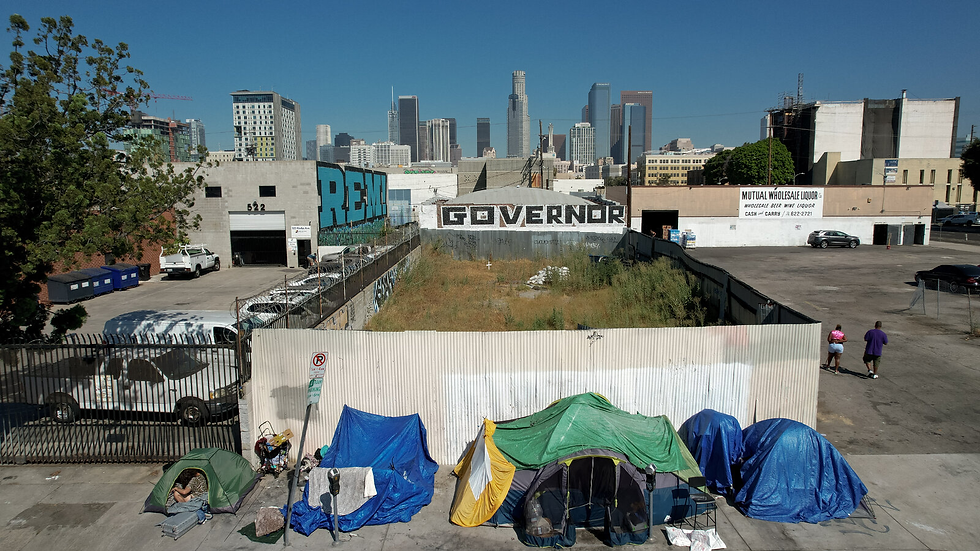
Los Angeles is once again confronting difficult questions about one of its most persistent challenges after newly released figures showed that homelessness has increased despite years of record public spending aimed at addressing the crisis. The latest annual count has reignited debate over whether existing strategies are delivering meaningful results, as city leaders, housing advocates, and residents continue searching for solutions to one of America's most visible urban issues.
According to the newly released data, the number of people experiencing homelessness in Los Angeles has risen by approximately 3.5 percent compared with the previous year. Even more concerning for many officials is the increase in the number of people living unsheltered on sidewalks, in vehicles, parks, and encampments. Those figures arrive after billions of dollars have been invested through local, state, and federal housing initiatives designed to provide permanent housing, emergency shelters, mental health services, and addiction treatment.
The latest report has intensified scrutiny of Los Angeles Homeless Services Authority, commonly known as LAHSA, along with city and county leaders responsible for overseeing homelessness programs. Critics argue that despite unprecedented levels of funding, visible homelessness continues to affect neighborhoods throughout the city, raising concerns about accountability and the effectiveness of current policies. Supporters of existing programs counter that homelessness has become increasingly difficult to address because of rising housing costs, inflation, and growing demand for affordable housing across Southern California.
Over the past decade, Los Angeles voters have approved several major funding measures aimed at tackling the crisis. Billions have been allocated toward constructing supportive housing, expanding shelter capacity, providing rental assistance, and increasing outreach services. City officials point to thousands of individuals who have been moved indoors through these programs, while acknowledging that the pace of new homelessness continues to offset many of those gains.
Housing experts say one of the biggest obstacles remains California's severe shortage of affordable homes. Decades of limited housing construction, restrictive zoning policies, and rapidly increasing rents have created conditions where many low income residents remain just one financial setback away from losing stable housing. Researchers have repeatedly found that regions with the highest housing costs also tend to experience the highest rates of homelessness, regardless of differences in climate or other social factors.
The growing number of unsheltered residents has also fueled broader concerns about public safety, sanitation, and quality of life. Business owners in many parts of Los Angeles have expressed frustration over expanding encampments near commercial districts, while residents continue raising concerns about access to sidewalks, public parks, and transportation corridors. At the same time, advocates for people experiencing homelessness argue that those living on the streets often lack adequate access to healthcare, mental health treatment, and stable housing opportunities.
Mayor Karen Bass has continued defending the city's efforts, highlighting initiatives that have helped move thousands of people into temporary and permanent housing since she declared a state of emergency on homelessness shortly after taking office. Her administration maintains that meaningful progress has been made despite difficult economic conditions, pointing to expanded outreach efforts and faster placement into available housing. Critics, however, argue that overall numbers remain too high and that taxpayers deserve clearer evidence demonstrating how billions in public funds are translating into long term improvements.
The discussion extends beyond Los Angeles itself. Homelessness has become a growing issue throughout California, which has one of the nation's highest housing costs and the largest population of people experiencing homelessness. State leaders continue investing heavily in affordable housing construction and support services, while many economists argue that significantly increasing housing supply remains one of the most important long term solutions.
As policymakers evaluate the latest figures, pressure is mounting to demonstrate measurable progress. Some officials are calling for stronger oversight of existing programs, while others believe additional investments in housing, mental health care, and addiction treatment remain essential. The debate reflects the complexity of a crisis shaped by economic pressures, housing shortages, and social challenges that no single policy can quickly resolve.
For residents of Los Angeles, the newest homelessness count serves as a reminder that one of the city's greatest challenges remains far from solved. Despite years of substantial investment and ambitious policy initiatives, the latest numbers suggest that meaningful, lasting progress will require continued innovation, accountability, and sustained efforts to address both the immediate needs of people without housing and the deeper structural issues driving the crisis.


Comments