Going to Dodger Stadium This October? The Trip Can Be Easier Than the Game

LOS ANGELES: A postseason game at Dodger Stadium can feel electric before the first pitch and exhausting before the parking brake comes up. The ballpark sits in a location with limited street access, a huge arrival wave and an equally huge departure wave. That does not mean traffic has to control the night. The useful choice is not simply car or transit. It is deciding where the trip should become predictable.
Start with the official game time, then work backward farther than feels necessary. Postseason crowds arrive earlier, security lines can grow quickly and a first pitch is a terrible moment to discover that the final turn into the parking system moves at walking speed. The Dodgers advise fans to check current parking and transportation information before leaving. A comfortable plan gives the group time to enter, find seats and absorb the atmosphere instead of racing the clock.

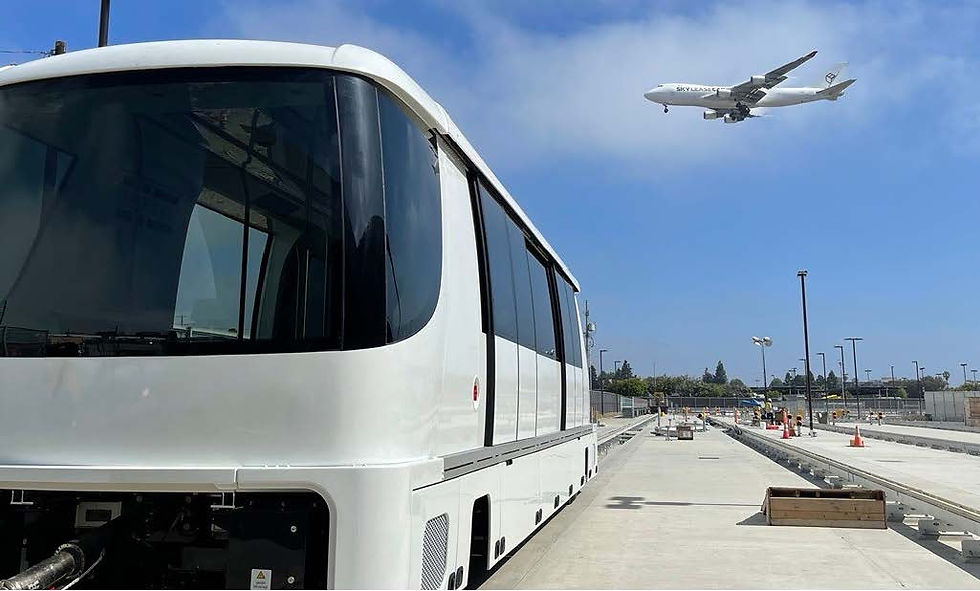
A little transportation planning can protect the part of game day that fans actually came to enjoy. Image: Lahti213 / CC BY-SA 4.0
Driving offers the most control over departure, especially for families, people carrying gear or fans coming from areas with a difficult transit connection. It also concentrates the trip into the same roads everyone else wants. Buy parking through the official channel when available, save the confirmation where it can be opened without a weak signal and take a screenshot as backup. Confirm the assigned gate because a familiar route may not be the correct route for that permit.
The Dodger Stadium Express can remove the hardest part of driving by moving the final stretch onto a dedicated game-day service. Metro lists service from Union Station and the Harbor Gateway Transit Center for home games, subject to its current operating details. The key is treating the bus as part of the event schedule, not as a vehicle that appears whenever you reach the curb. Check the current departure window and leave room for the line.
Union Station is useful because several rail lines and regional services converge there. A fan can drive to a station with simpler parking, ride into downtown and transfer to the stadium service. That hybrid trip is often easier than forcing the car all the way to the ballpark. It also follows the same principle behind using LA Metro for major events: solve the difficult middle of the journey with transit, even if the entire trip cannot be car-free.
Rideshare looks effortless on the way in and can become confusing on the way out. Thousands of phones begin requesting cars at nearly the same time, prices can move and drivers must reach the designated pickup area through event traffic. Before the game, choose one meeting point and agree on how long the group will wait there. Afterward, walking to an approved pickup zone is better than chasing a moving car pin through a crowd.
If anyone in the group needs accessible parking, seating support or additional travel time, make that the first planning question rather than the final adjustment. Consult the stadium accessibility information and use official parking directions. A plan that works for the fastest person is not a group plan. The goal is to remove rushed decisions at the gate, where traffic, noise and a weak phone signal make every small problem feel larger.
The return trip deserves as much attention as the arrival. Decide whether the group will leave immediately, wait inside until the aisle clears or pause at a legal, well-lit meeting point. Never assume everyone will have enough battery to coordinate after nine innings. Share the route before entering and name a fallback location. That tiny conversation can prevent the least glamorous Los Angeles tradition: four people calling one another from four different parking sections.
October also changes what belongs in the bag. Evening temperatures can drop, games can run long and security rules still apply. Check the current bag policy rather than relying on what worked during a previous season. Bring only what the stadium allows, charge the phone and keep tickets ready before reaching the scanner. Those details sound dull. They are exactly what keeps the night focused on baseball rather than logistics.
Los Angeles sports crowds feel different because the city brings neighborhoods, generations and languages together around a shared stage. Getting there should build anticipation, not drain it. Choose the mode that fits the group, verify the official details on game day and give the trip more time than an ordinary night out. The reward is arriving early enough to hear the stadium wake up, which is one of October’s best sounds.


Comments