Los Angeles Tourism Slumps While Rest of California Sees Growth
- 5 days ago
- 4 min read
25 April 2026
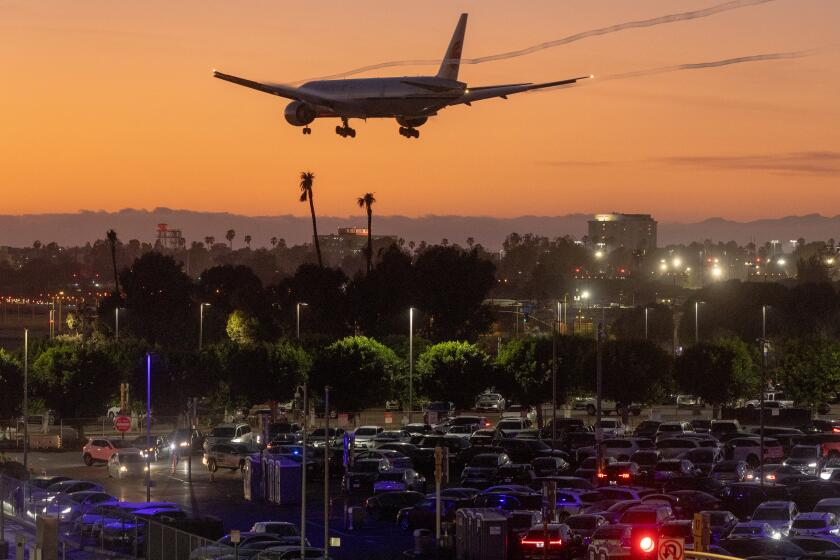
Los Angeles has long existed as a symbol of global allure, a city where Hollywood dreams, coastal sunsets, and cultural influence converge into a powerful magnet for travelers. Yet in a surprising shift that has caught both officials and businesses off guard, the city is now facing a notable decline in tourism, even as much of the rest of California experiences steady growth.
Recent data reveals that Los Angeles County has recorded its first tourism drop since the pandemic era, marking a significant break from the recovery trend seen across the state. While California overall continues to welcome increasing numbers of visitors, the state’s most iconic destination appears to be moving in the opposite direction, creating a contrast that is as striking as it is concerning.
The broader picture tells a story of divergence rather than decline. Tourism projections for California remain optimistic, with visitation expected to rise and travel spending continuing to grow in 2026. Cities and regions across the state are benefiting from renewed interest, drawing both domestic and international travelers eager to explore everything from national parks to coastal escapes. Against this backdrop, Los Angeles stands out not for its success, but for its unexpected slowdown.
One of the key factors behind this shift lies in the city’s deep reliance on international tourism. Los Angeles has historically served as a primary gateway for global travelers entering California, meaning its fortunes are closely tied to international travel patterns. When global movement slows or shifts, the impact is felt more intensely here than in other parts of the state. Recent figures show a sharp decline in international arrivals to Los Angeles, with some periods seeing drops of over 30 percent.
This dependency has turned into a vulnerability. As global travel habits evolve, many visitors are choosing destinations that feel more accessible, affordable, or culturally distinct. Smaller cities and less traditional tourist hubs across the United States have begun to attract attention, offering experiences that differ from the crowded, high cost environments of major metropolitan areas. This shift has quietly redirected tourism flows, leaving cities like Los Angeles facing new challenges.
Cost is another undeniable element shaping this trend. Los Angeles has long been associated with high living expenses, and that reputation extends to visitors as well. Accommodation, dining, and entertainment in the city often come at a premium, making it less appealing compared to alternative destinations that offer similar experiences at lower prices. For travelers weighing options, value has become an increasingly important factor, and Los Angeles is finding itself at a disadvantage.
There are also broader national and global dynamics at play. Travel to the United States as a whole has seen fluctuations, influenced by geopolitical tensions, economic uncertainty, and changing perceptions of the country as a destination. These factors do not impact all locations equally, and major cities like Los Angeles often feel the effects more acutely due to their visibility and dependence on international visitors.
The consequences of this decline extend beyond statistics. Tourism is a critical component of Los Angeles’ economy, supporting a wide range of industries from hospitality to retail. A drop in visitor numbers translates into fewer hotel bookings, reduced foot traffic in entertainment districts, and a ripple effect that touches countless businesses. For areas like Hollywood, where tourism is deeply embedded in daily life, even a modest decline can have noticeable impacts.
At the same time, the city’s identity as a global destination remains intact. Los Angeles continues to offer an unmatched blend of cultural, entertainment, and natural attractions, from iconic landmarks like the Hollywood Walk of Fame to the beaches of Malibu and Santa Monica. These elements have not diminished, but the way travelers engage with them appears to be shifting.
There is also a sense that the current moment may be transitional rather than permanent. Major upcoming events, including the 2028 Olympics, are expected to draw significant international attention back to the city. Large scale events have historically acted as catalysts for tourism, reshaping perceptions and bringing new waves of visitors. The challenge for Los Angeles lies in maintaining relevance and appeal in the years leading up to that moment.
For policymakers and industry leaders, the focus is now on adaptation. Strategies to attract visitors are being reconsidered, with an emphasis on marketing, accessibility, and the overall visitor experience. The goal is not only to recover lost ground but to reimagine what tourism in Los Angeles can look like in a changing world.
What makes this situation particularly compelling is the contrast it highlights. While California thrives as a travel destination, its most famous city is grappling with a slowdown that challenges assumptions about its dominance. It is a reminder that even the most established icons are not immune to change.
In the end, Los Angeles finds itself at a crossroads. The city that once defined the image of American tourism must now adapt to a landscape where preferences are shifting and competition is growing. Whether this moment becomes a temporary dip or a turning point will depend on how effectively it responds to the forces reshaping the industry.


Comments