Katy Perry Sues 85-Year-Old Veteran for $5 Million Over Disputed Montecito Mansion Sale
- Nov 26, 2025
- 3 min read
26 November 2025
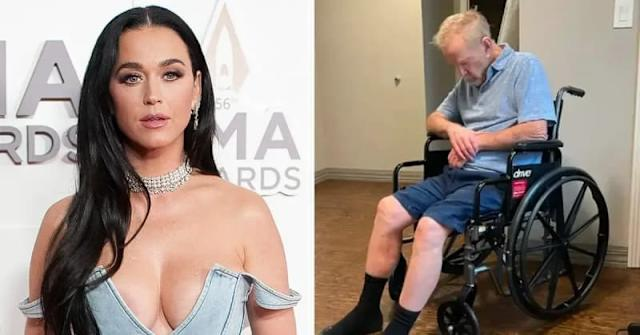
Pop star Katy Perry has filed a lawsuit seeking nearly $5 million in damages from 85-year-old disabled veteran Carl Westcott in connection with a protracted real-estate dispute over a $15 million mansion she purchased in Montecito, California.
The legal conflict dates back to July 2020, when Perry and her then-partner Orlando Bloom acquired the eight-bedroom, 2.5-acre estate from Westcott. Soon after the sale, Westcott , a former U.S. Army veteran sought to undo the transaction, arguing that at the time of signing he was mentally incapacitated due to surgery and pain medication. He also claimed he had a better offer from a different buyer.
In December 2023, a judge ruled in Perry’s favor, finding insufficient evidence that Westcott lacked capacity to consent to the sale. The ownership of the mansion was officially transferred to Perry earlier this year.
Despite winning the case, Perry’s legal team argues that the years-long fight caused significant financial harm. In November 2025 she filed new damages claims covering lost rental income, repair costs, deferred maintenance, and legal fees. In her court filing the total is put at roughly $4.72 million after adjustments just under the $5 million headline figure.
As outlined in the suit, Perry’s losses include about $3.5 million for rental income she says she missed out on while the dispute dragged on; more than $1.34 million to restore and repair the property; and additional legal costs tied to defending the sale and securing final ownership.
Westcott, meanwhile, remains in hospice care and reportedly suffers from a neurological condition, making him frail and heavily reliant on ongoing medical assistance. His family has described the lawsuit as a harsh and merciless demand against an ailing patriarch — a perspective that has attracted widespread public criticism.
Members of his family have voiced heartbreak over the extended litigation. His son has described the ordeal as deeply taxing emotionally and physically, pointing out that the legal battle exacerbated Westcott’s declining health.
This is not the first time Perry has been involved in a controversial real-estate lawsuit. A similar dispute arose a few years ago when she attempted to purchase a Los Angeles convent; that case ended in litigation involving elderly religious figures, one of whom reportedly died during court proceedings. Critics note a pattern of high-stakes legal fights against vulnerable sellers.
From Perry’s side, her lawyers argue the claim is not about personal vindictiveness, but about compensation for tangible financial losses caused by what they classify as extended and unnecessary litigation initiated by Westcott. The camp points out that the deal was legally ratified, and that the costs incurred during the decade-long entanglement, rental losses, maintenance neglect, and legal fees are real.
Nevertheless, the optics have been widely criticized. Advocates for veterans and elder care have condemned the decision to pursue aggressive damages from a man in ill health, calling attention to the power imbalance: a wealthy international celebrity against a veteran in hospice care. Public sentiment has leaned toward sympathy for Westcott and scrutiny of Perry’s decision to press forward.
As the case proceeds, many observers are watching not only the legal merits but the broader implications: whether courts and public opinion will side with strict contract enforcement and financial restitution or take into account the human and ethical dimensions of litigating against an elderly, disabled veteran in his final years.


Comments