Kathy Hilton’s Removal From a Major Pride Event Sparks Debate and Public Reaction

03 June 2026
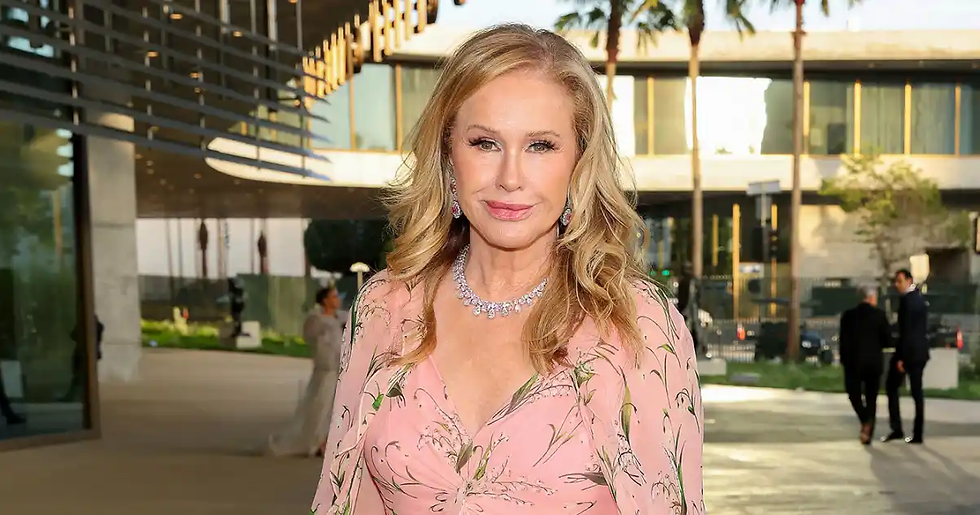
A decision to remove Kathy Hilton from a prominent role at the 2026 WeHo Pride Parade has generated significant discussion, placing the television personality and socialite at the center of a controversy that has attracted attention from both supporters and critics.
Hilton, known for her appearances on reality television as well as her longstanding presence in celebrity and social circles, had initially been announced as one of the event's grand marshals. The role is typically reserved for individuals recognized for their visibility, community impact, or support of causes associated with the LGBTQ+ community. However, organizers later reversed that decision, leading to questions about what prompted the change and what it means for future public figures participating in similar events.
The development quickly became a major topic across social media and entertainment news outlets. Supporters of Hilton expressed disappointment over the decision, arguing that she has maintained a positive relationship with LGBTQ+ fans for many years and has frequently been embraced by communities that follow her public appearances and television career.
Others, however, viewed the decision differently, suggesting that organizers have an obligation to carefully evaluate who represents high-profile events and community celebrations. The resulting debate highlighted the growing scrutiny surrounding public appointments and honorary roles in modern cultural events.
For many years, Pride celebrations have evolved beyond parades and festivals into significant cultural gatherings that often carry broader social and political meaning. As a result, the selection of grand marshals and honorary participants frequently becomes an important statement about the values and priorities of event organizers.
Hilton's connection to popular culture has remained strong throughout recent years. Although she was already well known through her family's prominence, her profile expanded considerably through reality television. Her appearances introduced her personality to a new generation of viewers, helping her cultivate a fan base that extends beyond traditional celebrity circles.
Part of her popularity stems from her often humorous and unpredictable public image. Fans have embraced many of her memorable television moments, transforming her into an internet favorite whose quotes and reactions regularly circulate online. That popularity helped make her selection as a grand marshal understandable to many supporters.
The controversy surrounding her removal reflects a broader trend in public life where organizations increasingly face pressure to justify decisions involving high-profile representatives. In an era shaped by social media, every appointment can become the subject of intense public analysis. Supporters and critics alike now have platforms that allow them to voice opinions instantly and organize around issues they consider important.
The discussion has also highlighted the complicated relationship between celebrity culture and community representation. While recognizable public figures can bring attention and visibility to events, organizers must often balance popularity with expectations from participants, sponsors, and community members.
For Hilton herself, the situation represents another example of how public figures can become part of larger cultural debates. Whether through television appearances, interviews, social events, or public roles, celebrities increasingly find themselves navigating conversations that extend far beyond entertainment.
Despite the controversy, many observers expect Hilton's public profile to remain largely unaffected. Her long career in the spotlight has included numerous moments of media attention, and she remains a familiar and recognizable figure within both entertainment and social circles.
The broader conversation, however, may continue long after the headlines fade. The incident raises questions about how public events choose representatives, how communities define leadership and visibility, and how celebrity status intersects with social causes in an increasingly connected world.
As organizers, supporters, and critics continue discussing the decision, the story serves as another reminder that public recognition often carries responsibilities and expectations that extend far beyond popularity alone. In today's cultural landscape, even honorary titles can become flashpoints for larger conversations about identity, representation, and public accountability.


Comments