A Powerful El Niño Is Building. Here Is What Los Angeles Should Do Before the First Major Storm

LOS ANGELES: El Niño is back, and city officials are treating the coming winter as a serious test rather than a distant forecast. Mayor Karen Bass and the National Weather Service office in Los Angeles and Oxnard held a preparedness briefing this week as unusually warm Pacific waters continued to strengthen. The message was direct: the climate pattern raises the odds of a wet Southern California winter, and the safest time to prepare is before a storm appears in the seven-day forecast.
El Niño does not guarantee that Los Angeles will be soaked every week. It describes a broad warming of the tropical Pacific that shifts weather patterns around the world. NOAA forecasters can estimate its strength and the seasonal odds, but they cannot use it to predict which neighborhood will flood on a particular day. A strong event can still produce uneven rainfall. Residents should prepare for higher risk without treating dramatic seasonal maps as a precise promise.
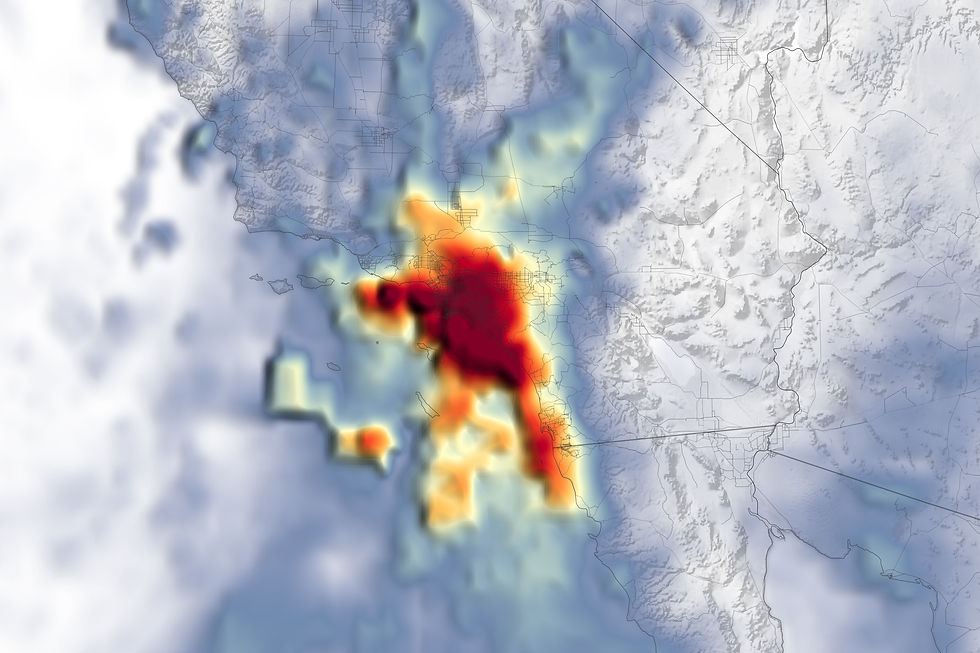
A strong El Niño can raise Southern California storm risk, but it does not determine exactly where or when the heaviest rain will fall. Image: NASA Earth Observatory / Public domain, NASA
The city says departments are clearing storm drains, checking pumps, staging swift-water rescue resources and focusing on hillside communities and burn scars. Those areas can become dangerous quickly because intense rain may move mud, rocks and debris across roads and properties. People who live near a recent fire should not wait for an evacuation warning to learn their route. Write down two ways out, identify where vehicles will go and plan for pets, medication and mobility needs.
Flood insurance deserves attention now because a standard homeowners or renters policy usually does not cover flooding. Federal flood policies commonly include a 30-day waiting period before coverage begins, which means buying a policy when heavy rain is already falling may be too late. Tenants should also document belongings with photos or video. Insurance decisions depend on the property and policy, so residents should confirm terms with an insurer instead of relying on a neighbor’s experience.
Small maintenance jobs can prevent expensive damage. Clear leaves from gutters, drains and outdoor stairwells. Test sump pumps and make sure discharge lines point away from the building. Check roofs for missing material and look for water stains that suggest an existing leak. Sandbags can redirect shallow surface water when they are placed correctly, but they cannot make a structure safe against a fast-moving debris flow. Local guidance should decide where barriers belong.
A useful emergency kit should work during a power outage and an evacuation. Include water, shelf-stable food, flashlights, batteries, a battery-powered radio, first-aid supplies, chargers, copies of identification and several days of essential medication. Keep shoes, rain gear and pet supplies where they can be reached quickly. A car kit with blankets, water and a phone cable is sensible because flooded roads and downed trees can turn a short trip into a long delay.
Information is another form of protection. Sign up for NotifyLA and Alert LA County, then enable emergency alerts on every household phone. Follow the National Weather Service for watches and warnings rather than depending on viral posts that may show old footage or forecasts for another region. A flood watch means conditions are possible; a warning means flooding is happening or imminent. That difference should change how quickly a household acts.
Drivers face one of the most preventable risks. Water can hide a washed-out roadway, and even a familiar underpass can fill faster than expected. Never move around a barricade or assume a vehicle is heavy enough to cross. Turn around and choose another route. During the strongest storms, delaying a nonessential trip is often safer than testing whether the street ahead is passable.
Los Angeles has time to improve its readiness, but the window will narrow as winter approaches. Neighbors can use it to check on older adults, exchange contact information and decide who can help with transportation. Property owners can inspect drainage and trees before crews are overwhelmed. Families can practice the same plan they would use for wildfire or earthquake response, adjusting it for rain, road closures and potential evacuation.
The most useful response to a potentially historic El Niño is neither panic nor indifference. It is a list of ordinary decisions made early: insurance reviewed, drains cleared, alerts enabled, supplies gathered and routes understood. Seasonal forecasts will keep changing, and every storm will bring its own details. Preparation gives Los Angeles households room to respond to those details instead of improvising when the water is already rising.


Comments